
Villa elevator shaft requirements are best explored while floor plans can still change. A shaft is more than a vertical opening: it connects the elevator choice, landings, structural work, and the way people move through the home. Starting with a clear brief helps a project team compare suitable options without treating a generic online drawing as a final specification.
Start With the Travel Route
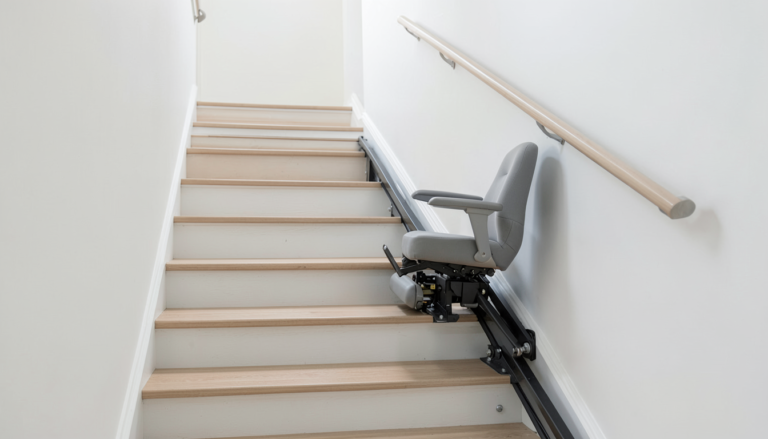
Map the floors the lift will serve and how each landing fits the household’s daily routine. Consider the entrance route, nearby doors, stairs, furniture, and the space needed to approach the lift comfortably. A location beside or within a stair area may suit one villa, while another project may benefit from a dedicated interior or exterior enclosure. The best position is the one that supports circulation on every served floor, not only the ground level.
For an early look at residential lift possibilities, visit Elevtop’s home lift page. It can help turn broad wishes about convenience, accessibility, or design into questions for a project-specific discussion.
Coordinate the Shaft With the Selected Lift
Avoid Universal Dimensions
There is no single set of villa lift shaft planning dimensions. The necessary enclosure, cabin arrangement, doors, travel, clearances, pit, overhead area, and equipment provisions can vary with the selected product and site. Ask for current technical information for the proposed configuration before construction drawings are finalised.
This is also a useful moment to decide whether a visible enclosure supports the interior concept. If a project is considering a self-contained structural solution, Elevtop’s aluminum alloy elevator shaft page offers a useful starting point for a focused product conversation. Final interfaces should still be confirmed for the actual lift and building.
Bring the Right People Into the Conversation
Share architectural plans, floor-to-floor relationships, intended users, and finish priorities with the supplier and qualified local project professionals. They can identify the information that needs coordination, including building structure, openings, landing approaches, electrical routing, waterproofing where relevant, and access for installation and future service.
Local rules and approvals may also affect the work. Rather than assuming that a standard detail applies, have the responsible professionals check the current requirements for the property and jurisdiction.
Design Landings for Everyday Use
Home elevator landing access deserves as much attention as the shaft itself. Keep routes legible and uncluttered, and consider light, flooring transitions, adjacent door swings, and handrails near stairs. Aligning these details early can make the finished travel route feel natural rather than added on.
Create a short decision record as the design develops: selected lift concept, floors served, entrance positions, key site questions, and open actions. That record gives everyone a shared reference as plans move from concept to detailed coordination.
When you are ready to discuss a villa project, contact Elevtop with your floor plans, intended use, and the questions you want to resolve.
Frequently Asked Questions
What defines villa elevator shaft requirements?
They depend on the selected lift, travel route, landing arrangement, building structure, and project-specific technical information.
Can a stair area be used for a residential elevator shaft?
It can be a planning option when the layout and structure support it. A qualified site review should confirm the final approach.
Should I decide on doors before building the shaft?
Yes. Door and landing arrangements influence the overall layout, so coordinate them before finalising construction details.
Do all home elevators need the same pit and overhead space?
No. These provisions are product- and site-specific. Confirm them with the selected lift’s current documentation.
What should I share for an initial supplier discussion?
Floor plans, the floors to be served, intended use, location ideas, and any accessibility or design priorities are useful starting information.