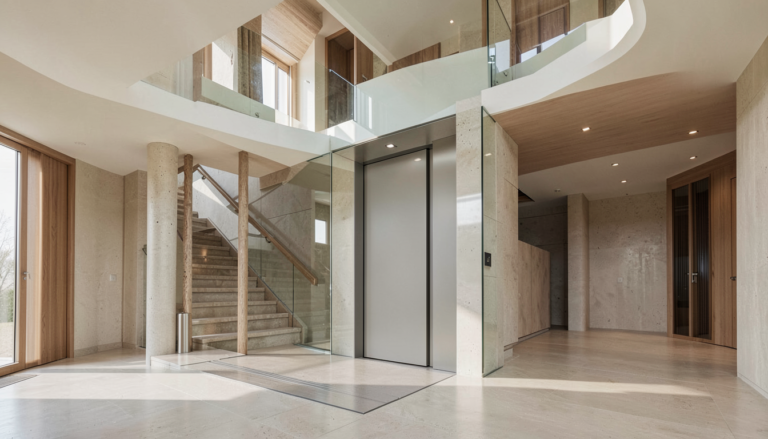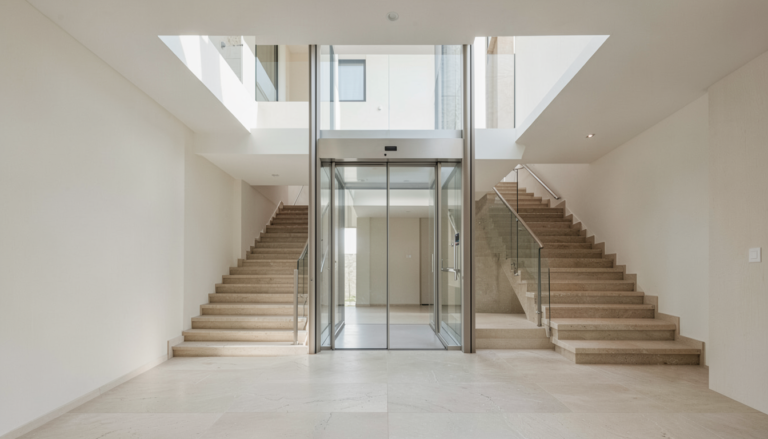
An aluminum alloy elevator shaft can give a home lift a defined architectural presence while keeping the project brief focused. Instead of treating the shaft as an afterthought, consider it part of the circulation route: it connects the chosen lift, each landing, the surrounding structure, and the visual character of the home. This aluminum alloy elevator shaft guide outlines the early questions that help a residential project move from an idea to a coordinated discussion.
Begin With Location and Everyday Use
First, map the floors the lift will serve and how people will approach every entrance. A shaft beside a stair may create a natural vertical route in one house; a central living area, an exterior connection, or another interior position may suit another. Look beyond the ground floor. Nearby doors, daylight, furniture, floor finishes, and clear routes all affect whether the elevator feels easy to use day after day.
For a product-oriented starting point, explore Elevtop’s aluminum alloy elevator shaft page. Use it to frame questions, not as a substitute for the technical information required for a specific site.
Use This Aluminum Alloy Elevator Shaft Guide
Avoid Assumed Dimensions
A residential elevator enclosure does not have one universal set of dimensions or interfaces. The selected lift, travel route, entrance arrangement, building structure, equipment needs, and local requirements all influence the final solution. Ask for current, product-specific documentation before construction details are fixed, especially where floor openings, overhead space, or a pit may be involved.
An early drawing set is useful for identifying these decisions. Include floor plans, floor-to-floor relationships, intended stops, photographs of the proposed location, and any limits that may affect installation access. Qualified local professionals should review the final structure and applicable approvals.
Make Materials Part of the Design Brief
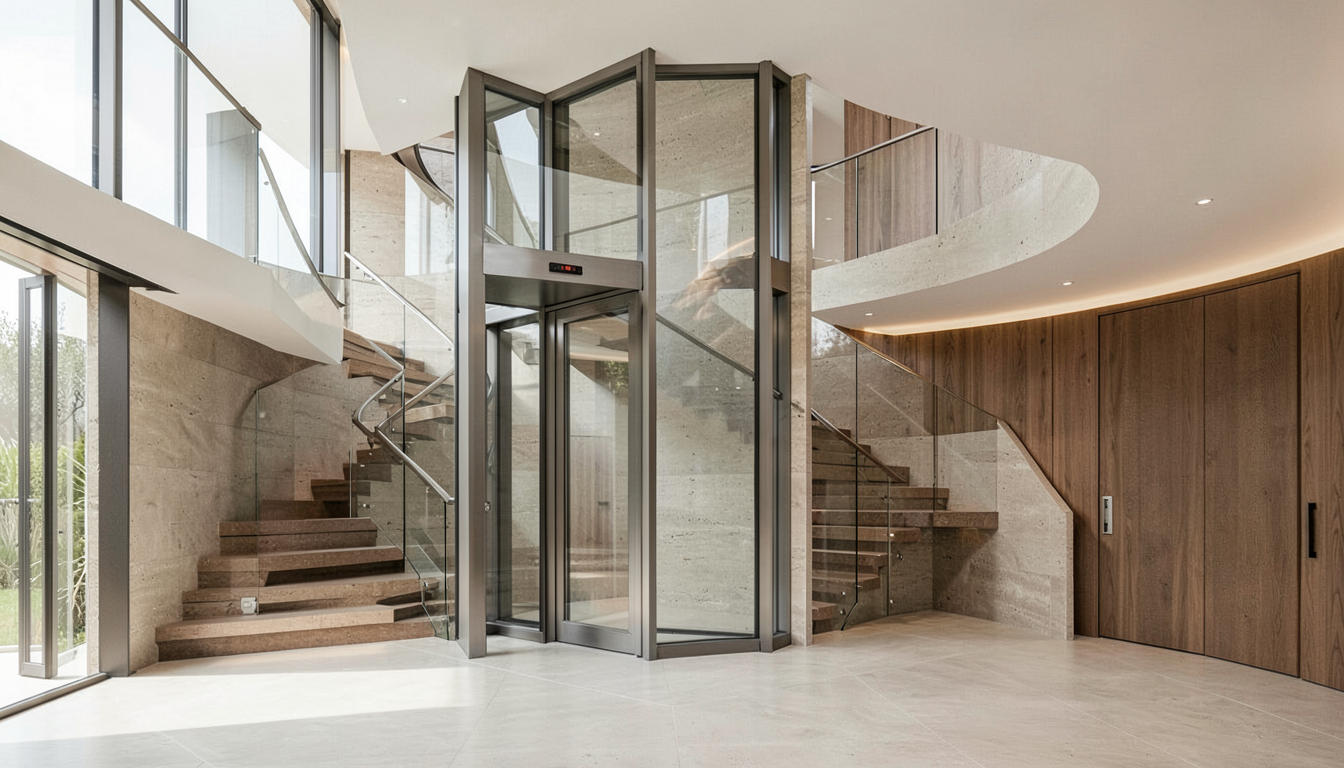
An aluminum alloy frame can be discussed alongside glazing, door positions, lighting, and the adjacent staircase or wall finishes. Rather than choosing finishes in isolation, consider sightlines at each landing and how the enclosure relates to the rest of the interior. A panoramic home elevator design may emphasise openness, while another project may prefer a quieter visual role. Compatibility and available choices should always be confirmed for the selected configuration.
Plan the Project Conversation
Home elevator shaft planning works best when the homeowner, designer, builder, and supplier can refer to the same brief. Record the preferred location, floors served, intended users, landing ideas, finish priorities, and unanswered site questions. That brief helps reveal dependencies early, such as structural coordination, electrical routing, waterproofing where relevant, and future service access.
For broader residential lift context, visit Elevtop’s home lift options. When you are ready to compare a project-specific direction, contact Elevtop with the available plans and a concise list of priorities.
Frequently Asked Questions
What is an aluminum alloy elevator shaft?
It is an enclosure concept that can be considered for a residential elevator. The final construction and compatibility depend on the chosen lift and site conditions.
Can it work in an existing house?
It may be an option, but a site review is needed to assess the proposed location, structure, access, and the selected product’s requirements.
Should I choose the shaft before the elevator?
Develop both decisions together. The lift arrangement and entrances influence the enclosure, and the enclosure affects the overall layout.
Are glass panels always suitable?
Not necessarily. Design preferences, product compatibility, privacy, maintenance, and project conditions should guide the final choice.
What should I prepare for an initial discussion?
Bring floor plans, photographs, the floors to be served, intended use, preferred location, and any design or access constraints.
Early coordination helps the enclosure fit the home and guides a focused next conversation.