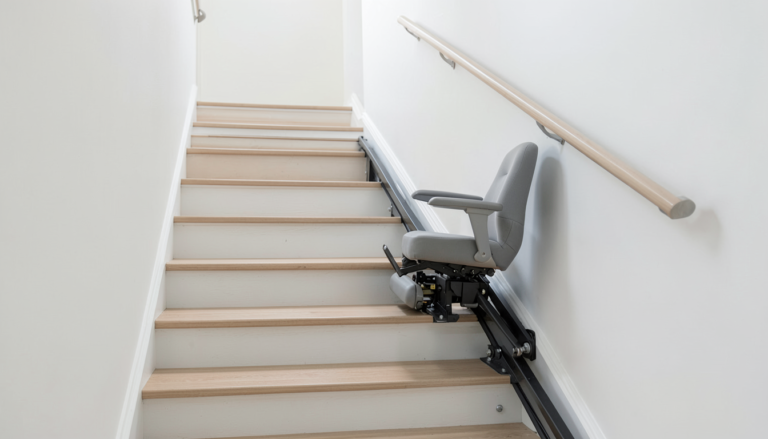
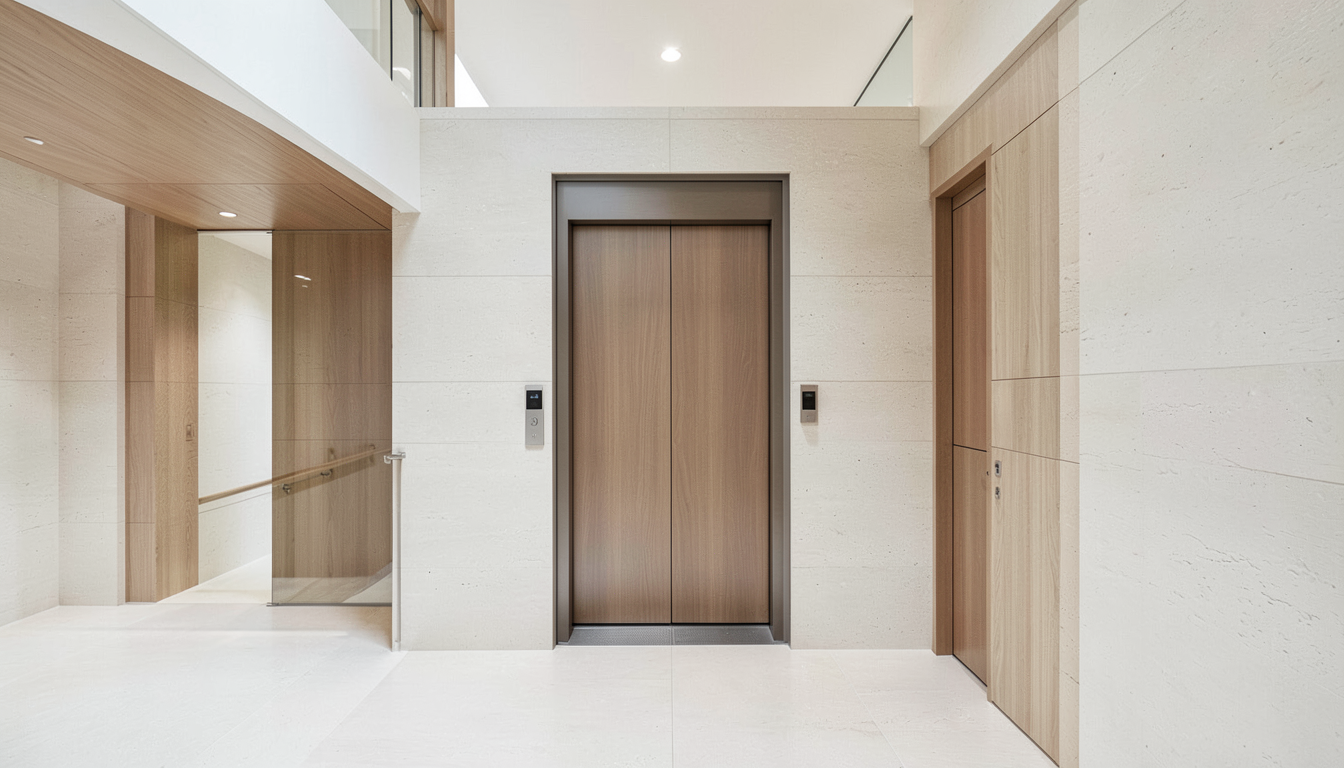
A home elevator safety features guide is most useful before a model is chosen. At that stage, a homeowner can connect everyday use, the building layout, and the equipment conversation without assuming that every product has the same details. A thoughtful brief helps the supplier and project team identify appropriate current options for the household, travel route, and local requirements.
Home Elevator Safety Features Guide for Daily Use
Write down who is expected to use the lift, which floors it will serve, and how the landings connect to daily routines. Consider children, visitors, mobility needs, moving items, and the way doors will be approached from each floor. These observations turn a general residential elevator safety planning discussion into useful project questions.
The physical setting matters as much as the cabin. Keep the routes to each landing clear in the design, and coordinate surrounding flooring, lighting, and doors so the entrance is easy to find and use. For a broad introduction to residential lift conversations, explore Elevtop’s home lift page.
Discuss Door and Landing Protection
Ask How Door Operation Is Managed
Door protection is a core part of a home lift safety checklist. Ask the supplier to explain how the selected system manages landing doors, cabin doors or gates where applicable, and normal stopping at a floor. Do not rely on generic online diagrams: the appropriate arrangement depends on the product and configuration.
Also review the landing approach. Clear space, finishes that remain practical underfoot, and sensible nearby door swings can reduce avoidable conflicts around the elevator entrance. If the project includes a structural enclosure, Elevtop’s aluminum alloy elevator shaft page can help frame an early product discussion.
Plan for Everyday Exceptions
Clarify Communication and Power-Loss Procedures
Ask what emergency elevator communication, lighting, alarm, lowering, or recovery arrangements are available for the specific lift. The aim is not to prescribe a universal feature list; it is to understand the documented procedure for the chosen equipment and who should be contacted if something is unusual.
Keep product documentation accessible after handover, including the recommended contact route for service. Household members should know not to improvise a technical repair or force a door. If the lift behaves unexpectedly, follow the supplier’s current instructions and contact a qualified service professional.
Keep Responsibilities Clear During the Project
Safety is shared across the design, construction, installation, and handover stages. Record the questions that need answers: the selected equipment, site interfaces, electrical coordination, access during construction, and the final user orientation. This makes it easier to avoid losing an important detail between teams.
When you are ready to discuss a project, contact Elevtop with floor plans, intended use, and your questions about available safety-related options.
Frequently Asked Questions
What safety features should a home elevator have?
The right features depend on the selected equipment and site. Discuss door protection, normal operation, communication, lighting, and documented emergency procedures with the supplier.
Are elevator door interlocks the same for every home lift?
No. Door and landing arrangements can vary by product and configuration, so confirm the current documentation for the lift under consideration.
Should I plan safety features before choosing finishes?
Yes. Operational and access questions should be addressed early, then coordinated with the landing and cabin design.
What should I do if a home elevator stops unexpectedly?
Follow the equipment’s documented instructions, avoid improvised repairs, and contact the appropriate qualified service professional.
Can a supplier review my floor plans?
Sharing floor plans and intended use can make an early conversation more focused. Final requirements should be confirmed for the specific product and site.