Home elevator maintenance planning creates a reliable routine around safe daily use, professional service, and clear records. It helps a household notice changes early while leaving technical adjustments to qualified personnel.
Start With Everyday Observation
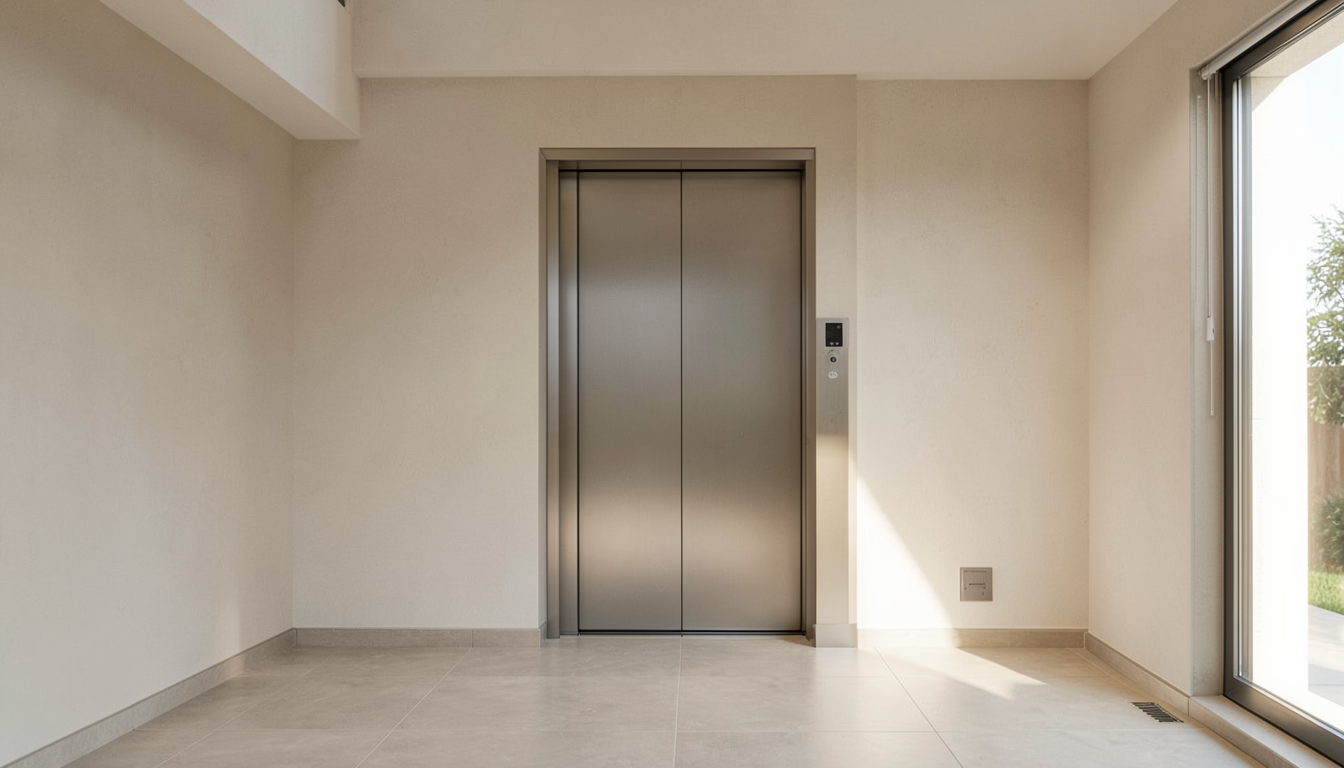
A quick visual and operational check can fit naturally into normal use. Keep landing areas, door tracks, and the cabin entrance clean and free of loose objects. Notice whether doors open and close smoothly, buttons respond as expected, cabin lighting is working, and travel sounds remain familiar. Do not dismantle covers, lubricate components, or bypass a safety device; those tasks belong to the authorised service team for the selected equipment.
Record anything unusual with the date, floor, and a short description. A simple record is more useful than trying to diagnose the cause and can make a service appointment more focused.
Build a Residential Elevator Maintenance Routine
The correct service interval and procedures come from the current documentation for the specific home lift and from local requirements. Ask the supplier or qualified local professionals to explain what they inspect, who should carry out the work, and how to report a problem. Include this information in your household records alongside installation documents and relevant contact details.
Keep the Right Information Available
Your maintenance folder can include system details, service history, user instructions, and notes about approved access arrangements. If the lift is part of a renovation or new build, retain the final project information. When exploring equipment options, Elevtop’s home lift page can start a product conversation.
Plan for a Safe Service Visit
Make sure service personnel can reach agreed access points without working around clutter. Tell them about changes to the home that may affect access. If a concern involves a door, control, alarm, or travel behaviour, follow the user documentation and contact a qualified provider rather than testing it repeatedly.
Know When to Call a Professional
New noises, irregular doors, unexpected stops, warning indications, water near the lift route, or any condition that feels unsafe deserve prompt professional attention. Follow the installed system’s instructions and local emergency guidance. A home elevator safety check is not a substitute for professional inspection.
For projects still being planned, it helps to connect maintenance access with the original layout. Our guide to a home elevator for new construction explains why early coordination matters. When you are ready to discuss your property and intended use, contact Elevtop with your available plans and questions.
Frequently Asked Questions
Can I perform my own residential elevator maintenance?
Owners can keep entrances clear and report visible changes, but technical maintenance and repairs should follow the selected system’s instructions and be handled by qualified professionals.
How often should a home lift be serviced?
The appropriate interval varies by equipment, usage, local requirements, and the supplier’s current documentation. Confirm the plan for your installation.
What should I write in an elevator maintenance checklist?
Record dates, observed changes, service visits, questions raised, and the provider’s recommendations. Avoid treating a generic online checklist as a repair manual.
Should I keep service access clear all year?
Yes. Agreed access areas should remain practical to reach so routine service is not delayed by avoidable obstacles.
What if the elevator operates differently than usual?
Follow the installed user instructions and contact a qualified service provider. Do not attempt to reset, modify, or bypass safety-related equipment.